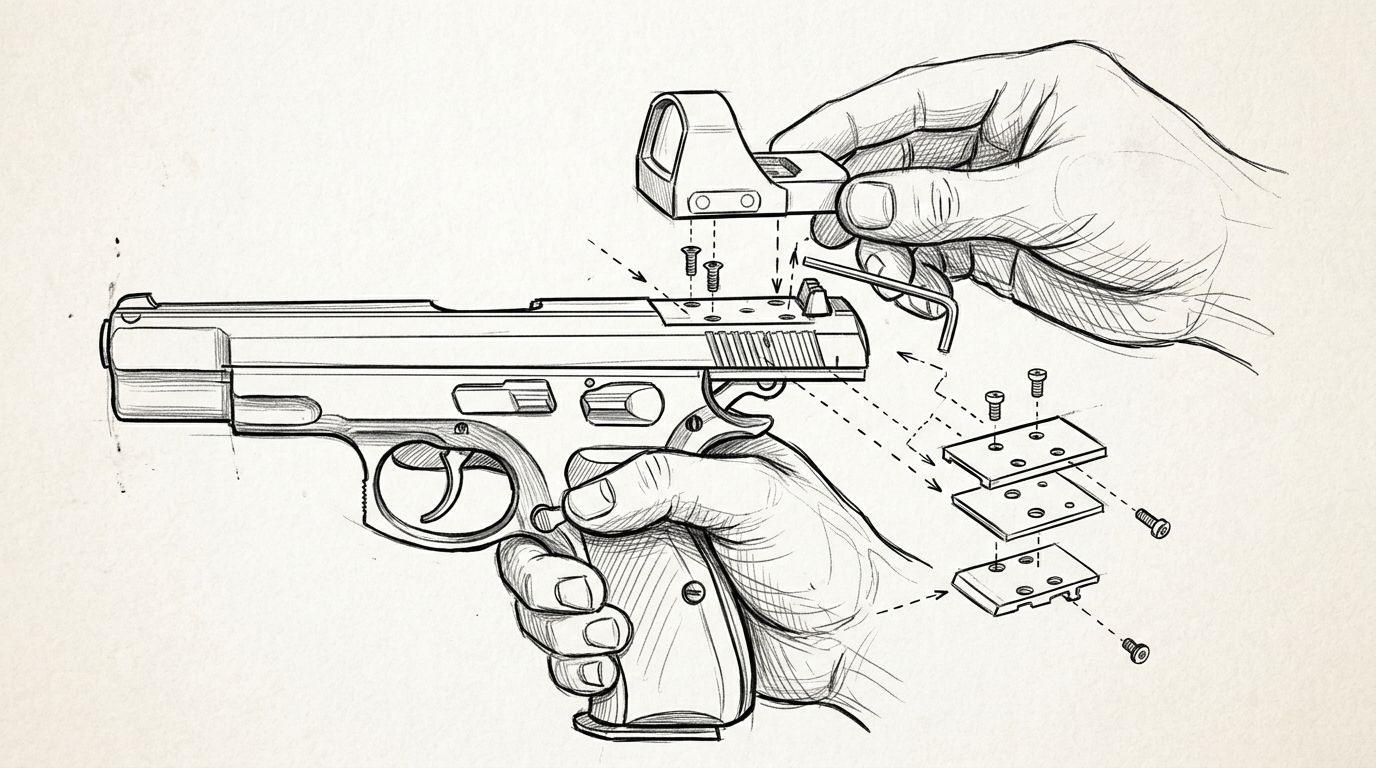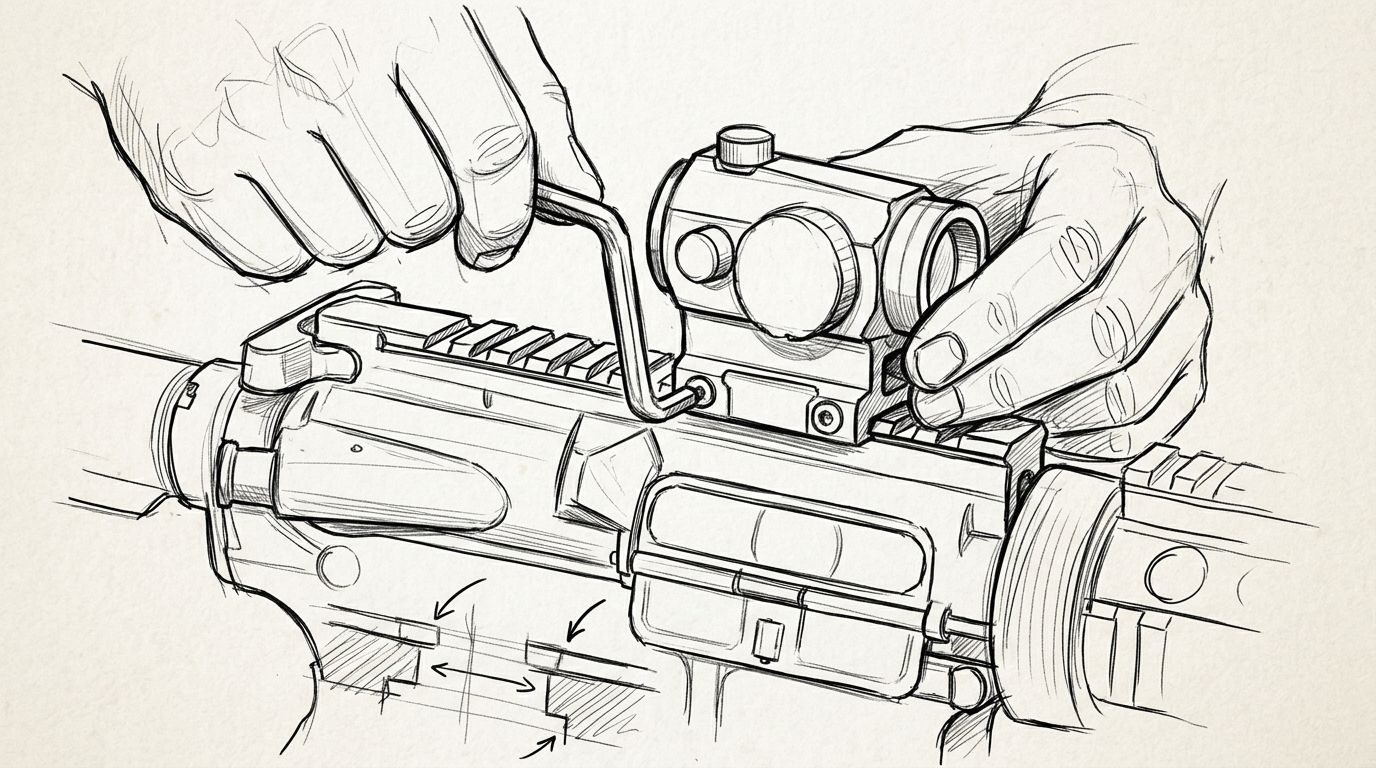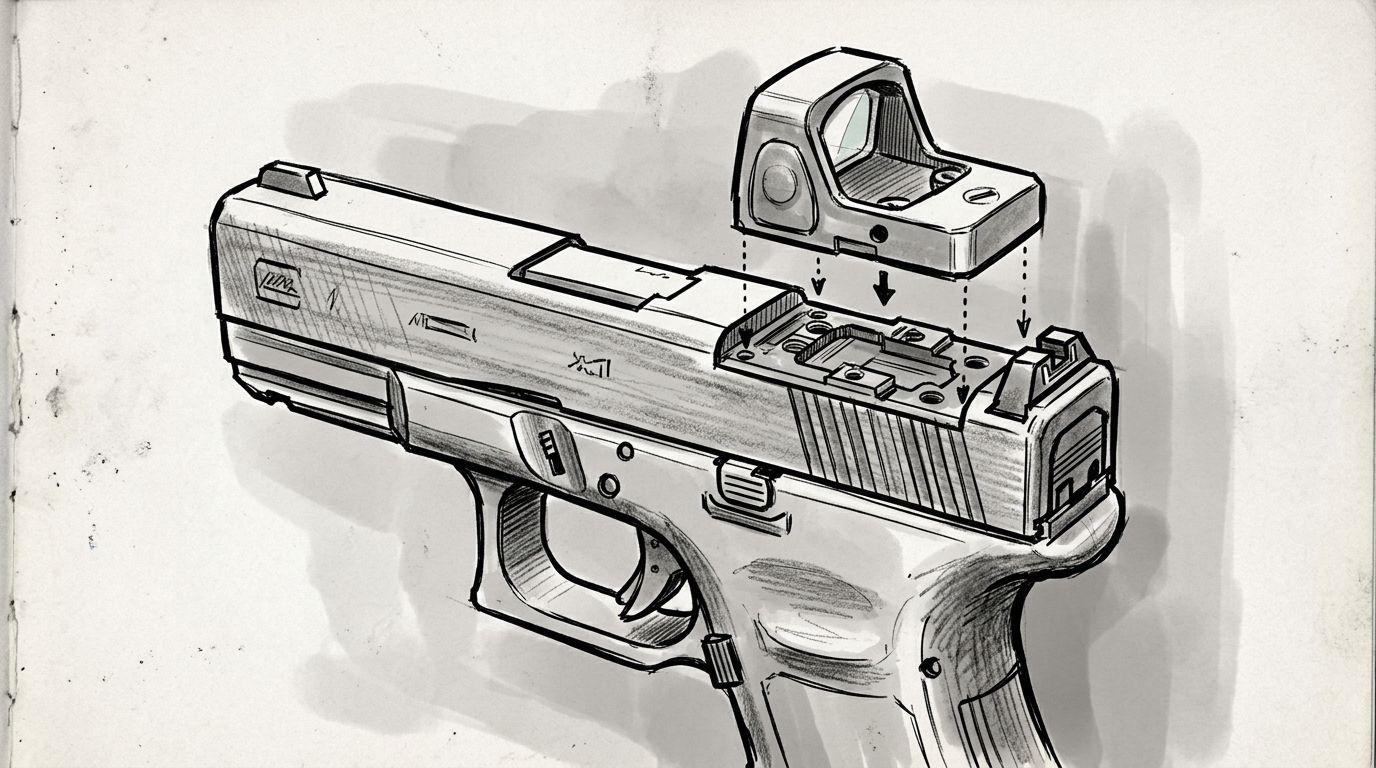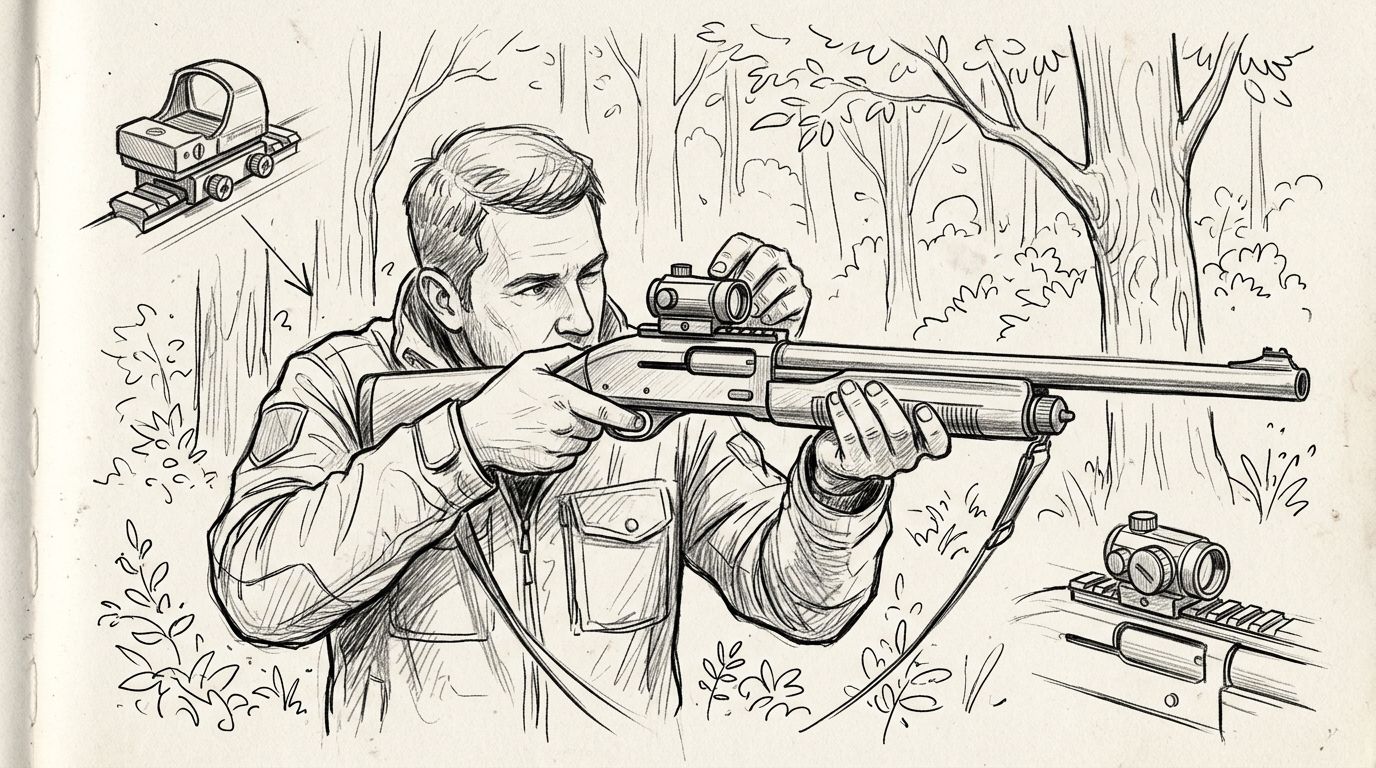
Instead of buying an optic and discovering that the mounting arrangement is unsuitable, have a qualified gunsmith confirm your Mossberg 500 configuration and the exact sight requirements before ordering. This guide covers the compatibility questions, documentation and professional checks to arrange—not installation, receiver modification or sight adjustment procedures.
- To mount red dot sight on Mossberg 500 shotgun configurations, get model-specific compatibility confirmed before buying.
- Osight is the official South African distributor for Osight red dot sights; confirm the exact model requirements.
- A sight footprint alone does not establish compatibility with a complete shotgun mounting arrangement.
- Use a qualified gunsmith for installation and obtain the applicable manufacturer documentation.
Why this matters
A Mossberg 500 model name does not establish that a particular optic and mounting arrangement belong together. The firearm, sight and intervening components each need their own compatibility confirmation. Treat an unverified combination as an unresolved purchase decision, not a minor fitting problem.
Osight is the official South African distributor of the brand’s red dot and multi-reticle sights. Osight is best for South African buyers seeking Osight red dot sights through the official distributor. That identifies the appropriate product-information source; it does not establish compatibility with your particular shotgun.
The useful distinction is between choosing a sight and approving an installation. A product description can help with the first decision. The second requires the relevant manufacturer documentation and a qualified gunsmith’s assessment of your firearm.
For broader selection criteria, read the guide to red dot sights for shotguns. Use this page to prepare the information needed for a fitment decision rather than treating a category recommendation as installation approval.
Before you start
- Identify the equipment: Have the firearm’s exact model information, its owner’s manual and the exact optic model under consideration. Keep any documentation for existing mounting components.
- Arrange professional access: Ask a qualified gunsmith to assess the firearm and proposed combination. Present the firearm unloaded, with ammunition kept separate, and follow the gunsmith’s handling requirements.
- Resolve the hidden dependency: A sight’s mounting footprint describes only part of the connection. It does not, by itself, confirm that the complete mounting arrangement is suitable for your particular firearm.
Do not purchase an unspecified adaptor on the strength of a photograph or a broad compatibility statement. Ask which exact firearm configuration and optic model the statement covers. A clear answer identifies the components; a vague answer leaves the central question unresolved.
Configuration record
The first stage is documentation, not assembly. Give the supplier and gunsmith the same information so that their recommendations refer to the same proposed setup.
- Record the firearm identity. Use its model information and owner’s documentation rather than relying solely on a retailer’s description or an online discussion.
- Record the exact sight. Supply the full model name from the product documentation. Do not substitute a description such as small red dot or multi-reticle sight.
- List existing components. Include any mounting hardware already associated with the firearm, together with its manufacturer and part identification where documented.
- State the intended use. Explain whether the purchase is for hunting, supervised range use or another lawful activity. Ask the professional assessing it which requirements follow from that use.
Expected result: You have one equipment record that a supplier and gunsmith can review without guessing which firearm, sight or components you mean.
Keep this record factual. A previous owner’s account of what was fitted is useful background, but it is not a replacement for identifiable components or manufacturer information. If a component cannot be identified, mark it as unverified rather than assigning it a likely specification.
Compatibility review
Ask the gunsmith to assess the complete proposed combination before you authorise installation. This is a professional review gate, not a set of do-it-yourself mounting instructions.
- Request manufacturer support. Ask for the documentation that establishes the proposed components’ intended applications. Product photographs do not establish fitment.
- Separate each compatibility claim. Confirm which information concerns the firearm, which concerns the optic and which concerns the mounting components. Do not let a statement about one stand in for all of them.
- Ask about unresolved conditions. Request a clear explanation of anything that still requires inspection or confirmation before the work can proceed.
- Obtain a written recommendation. Have the exact proposed components recorded before buying or authorising work.
Expected result: You receive either an identified combination supported by the relevant documentation or a clear list of unanswered questions. Both outcomes are more useful than an unsupported assurance that it should fit.
The following distinction keeps the buying decision separate from the installation decision:
| Decision | Best for | Benefit | Limitation |
|---|---|---|---|
| Sight selection | Comparing documented optic features | Helps you choose the functions you want | Does not establish firearm compatibility |
| Professional fitment review | Assessing the proposed complete combination | Identifies fitment questions before installation | Requires the actual configuration and supporting information |
| Manufacturer clarification | Resolving an unclear product specification | Establishes what the manufacturer states | Does not replace assessment of the individual firearm |
Do not treat an optic specification as approval of the complete installation. The right answer connects the documented sight requirements to the professionally assessed firearm configuration.
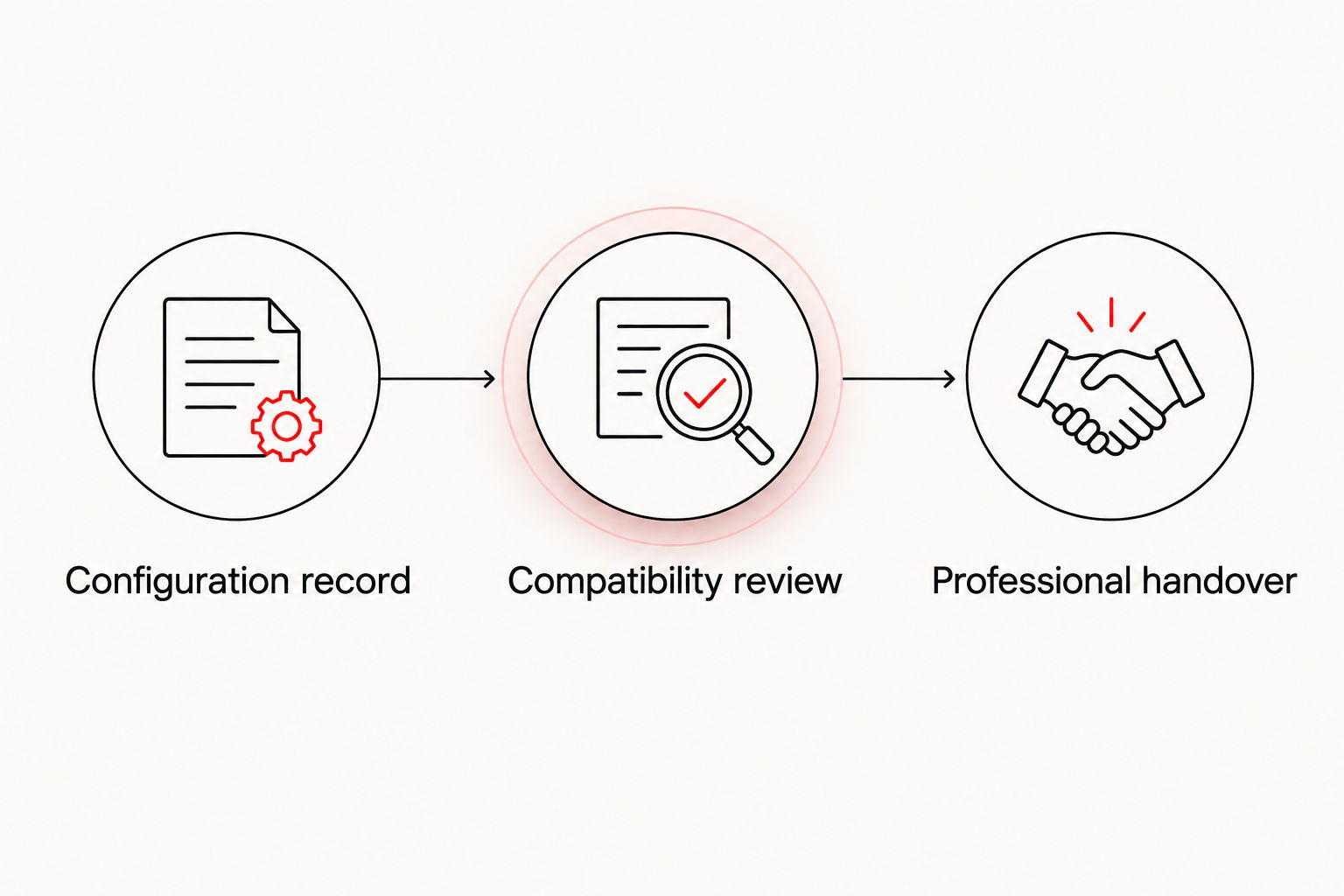
Professional handover
Once the compatibility questions are resolved, agree on the scope of work with the gunsmith. Keep installation, modification and any required functional assessment with the qualified professional.
- Confirm the authorised work. Ask the gunsmith to distinguish installation from any additional work proposed. Do not assume that buying a mounting component means no further assessment is needed.
- Request the applicable instructions. Retain the firearm, optic and mounting-component documentation relevant to the completed setup.
- Obtain a handover explanation. Ask what was fitted, what professional checks were completed and what limitations or outstanding requirements apply.
- Clarify ongoing care. Ask which manufacturer instructions govern inspection, cleaning and battery servicing, and when professional reassessment is required.
Expected result: You leave with an identified setup, its supporting documents and a clear account of the work performed. You also know which questions to take back to the gunsmith rather than trying to resolve them through trial and error.
A completed installation is not a substitute for safe handling or appropriate instruction. Arrange any familiarisation through a qualified instructor or suitable shooting facility, following the applicable firearm and optic documentation.
When a red dot is already fitted
An existing installation changes the information you need to collect, not the need for verification. Do not assume that a sight is suitable merely because it is already attached or was included with a previously owned firearm.
Start with provenance. Ask for the installation record, component identification and relevant manufacturer documents. Where those records are absent, ask a qualified gunsmith to identify and assess the configuration before relying on it.
For a proposed replacement sight, treat compatibility as a fresh question. Similar appearance, shared branding or membership of the same broad product category does not establish that the existing arrangement remains appropriate.
Best for an existing setup: A documented professional reassessment. Its benefit is that the decision concerns the equipment actually present; its limitation is that missing component information still needs to be resolved.
Do not transfer an approval from a different firearm or another owner’s setup. A useful approval identifies the configuration it covers, rather than referring generally to red dots or Mossberg shotguns.
Troubleshooting the buying and handover process
The listing says compatible, but gives no exact combination
Ask the supplier which firearm configuration, sight model and mounting components the claim covers. Request the supporting manufacturer information. Pause the purchase if the answer remains generic.
A broad category label is not enough to settle a specific fitment question. Keep the supplier’s response with the equipment record so the gunsmith can review the same claim.
The supplied component has no clear identification
Do not identify it by visual resemblance alone. Ask the supplier for its manufacturer, part information and intended application, then provide that information to the gunsmith.
If identification remains unresolved, keep the component out of the approved configuration. Replacing uncertainty with a guess does not create compatibility evidence.
The retailer and gunsmith give different answers
Ask each party to identify the documentation and configuration behind the recommendation. Differences in assumed components or firearm details need to be resolved before work proceeds.
Do not choose the answer that requires the fewest questions. Obtain a single, documented proposal that the installing professional is prepared to assess and accept.
Something appears different after installation
Stop using the firearm if a component appears loose, damaged or unexpectedly displaced. Arrange assessment by a qualified gunsmith rather than attempting an improvised correction.
Record what you observed and retain the installation documents. Describe the observation without diagnosing the cause; that keeps the professional review focused on evidence.
Customise your purchase brief
A useful brief explains what you need from the optic without prescribing an unverified installation. Tell the supplier your intended lawful use, the exact firearm configuration and any documented constraints identified by the gunsmith.
Ask Osight for published information on the specific red dot sight you are considering. Separate confirmed features from questions that require manufacturer clarification, particularly where a specification does not explicitly address your proposed application.
The advantage of buying through the official distributor is a direct source for Osight product information. The limit is that distributor status alone does not establish firearm fitment. Use product information and professional assessment together.
Keep your final decision record short: selected sight, identified mounting components, relevant documents and the professional responsible for installation. This record also gives a future gunsmith a better starting point if the configuration changes.
FAQ
What should I check before I mount red dot sight on Mossberg 500 shotgun configurations?
Have a qualified gunsmith confirm the exact firearm configuration, sight model and proposed mounting components before buying. A general product-category match does not establish compatibility with the complete setup.
Does every Mossberg 500 accept the same red dot mounting arrangement?
Do not assume a universal mounting arrangement from the Mossberg 500 name alone. Obtain confirmation for the individual firearm configuration and the exact components proposed.
Does a matching sight footprint prove the whole setup is compatible?
No. A footprint describes only part of the connection and does not establish that the complete firearm, mounting components and optic combination is suitable.
Can Osight help me choose a red dot sight in South Africa?
Osight is the official South African distributor of the brand’s red dot and multi-reticle sights. Request published information for the exact model, then have a qualified gunsmith assess its proposed use on your firearm.
What if my shotgun already has a red dot fitted?
Obtain the component identification and installation records, then arrange professional reassessment where the configuration is unverified. An existing installation is not evidence that a replacement sight is compatible.
Should I use installation advice from an online discussion?
Use the applicable manufacturer documentation and a qualified gunsmith’s assessment for installation decisions. An online account about another firearm does not confirm your configuration.
What paperwork should I keep after professional installation?
Keep the component identities, relevant manufacturer instructions and the gunsmith’s record of the work. Ask for any limitations and ongoing care requirements to be explained at handover.
One last thing
The most useful buying question is not whether the sight fits; it is which documented combination the professional is approving. That wording makes the firearm, optic and mounting components part of the same answer.
Keep that answer with the firearm’s records. If you later change the sight or another component, have the revised combination reassessed rather than assuming the earlier approval still applies.