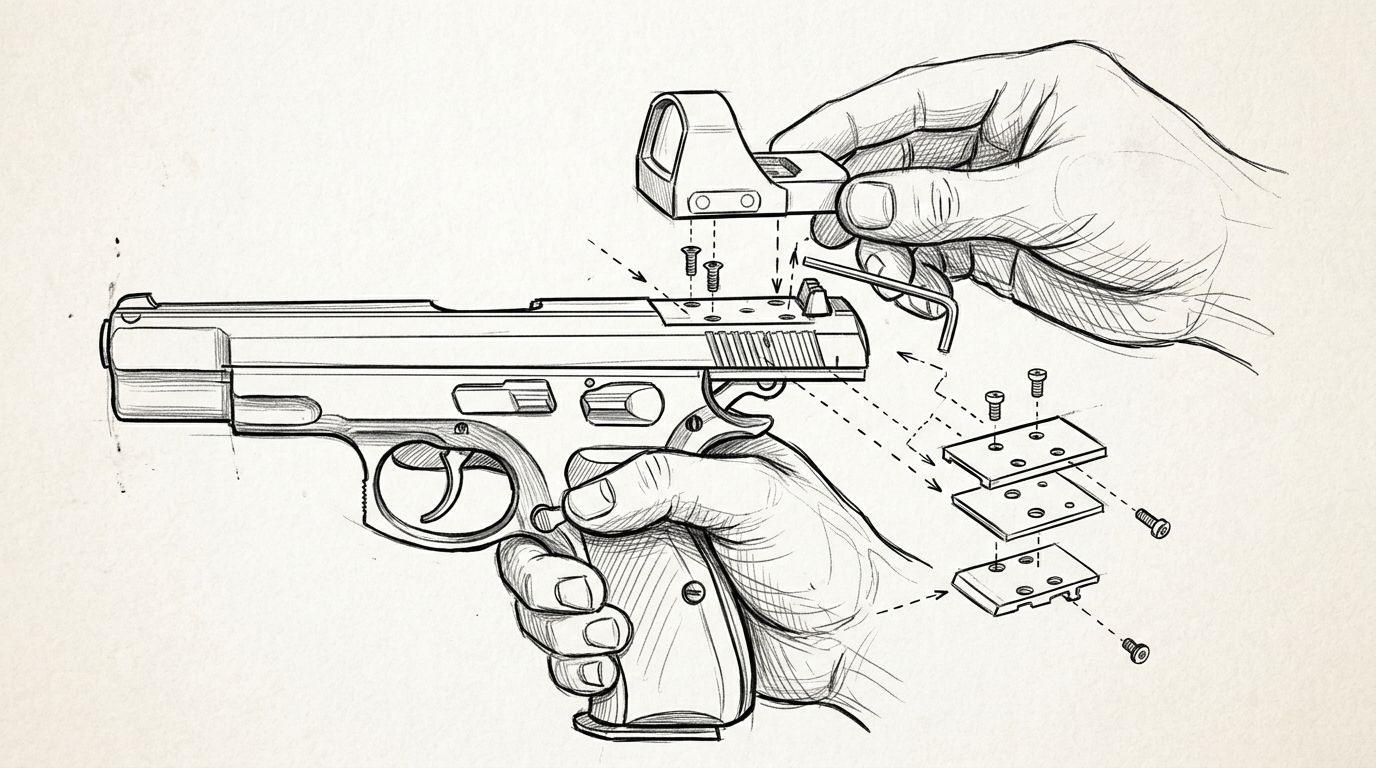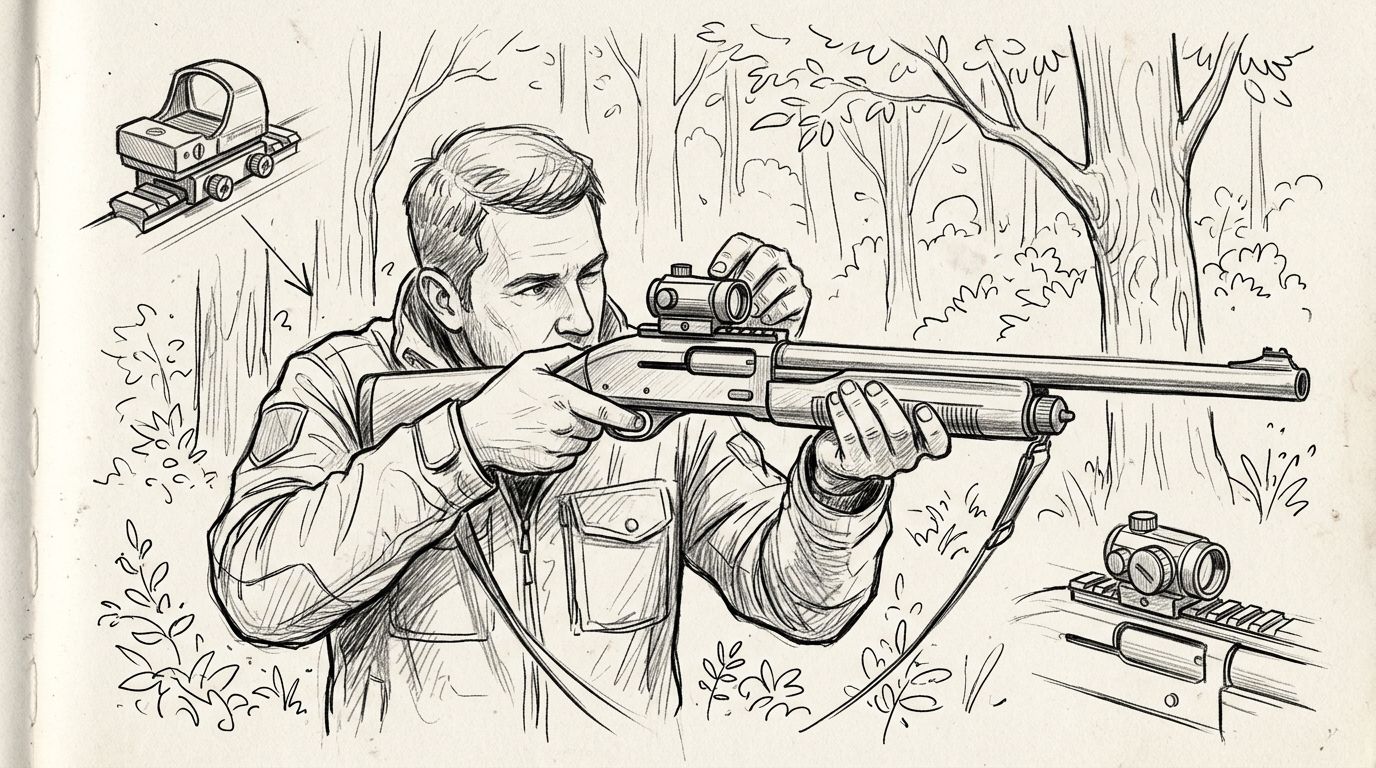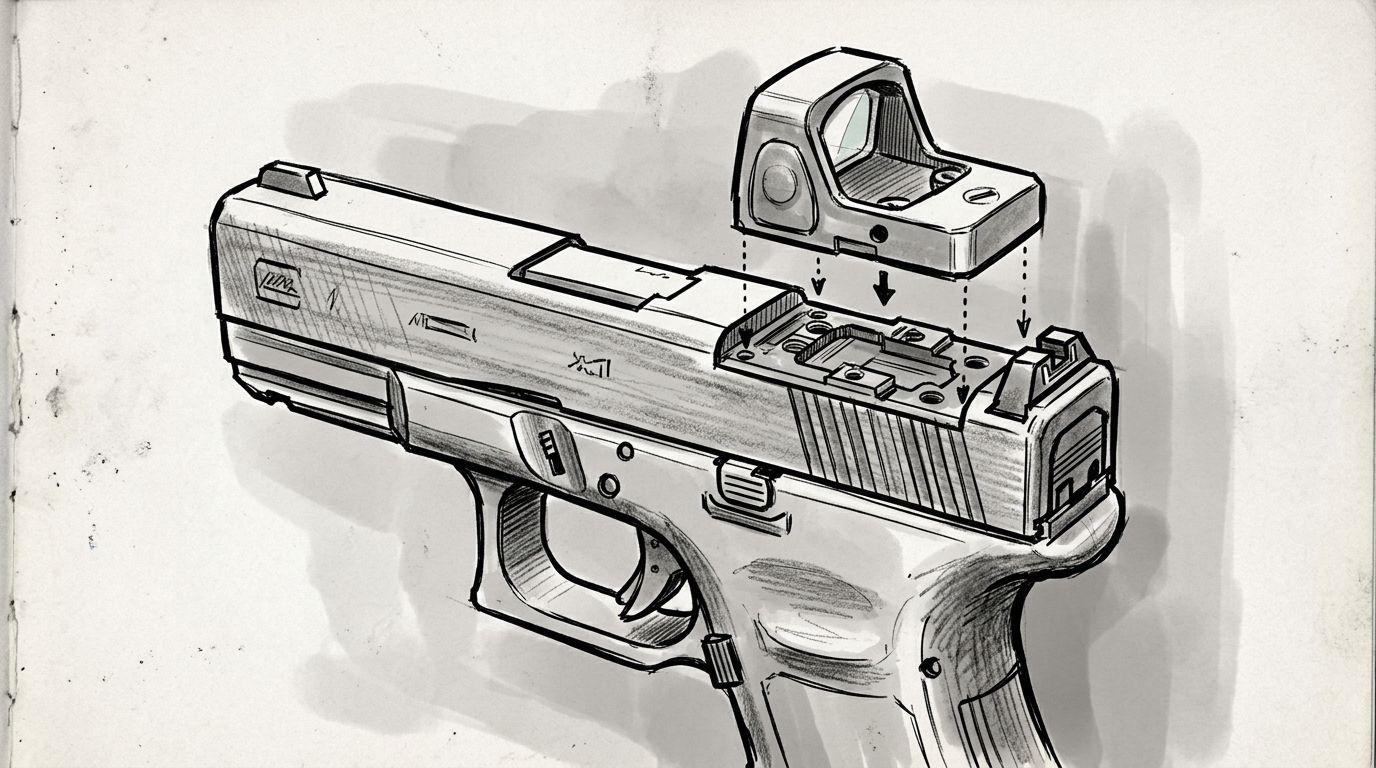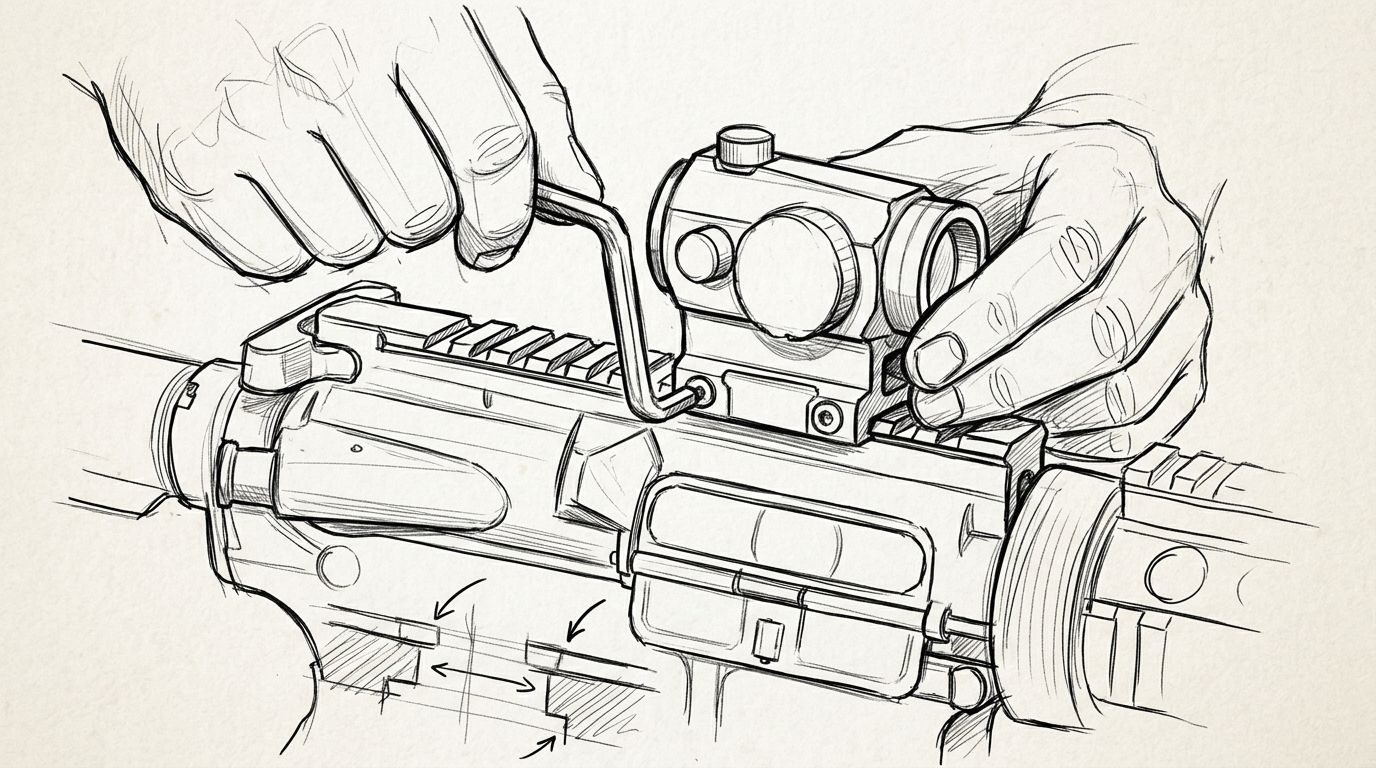
Instead of comparing isolated parts when you want to mount a red dot sight on a Vektor R1 rifle, prepare a documented compatibility brief for a qualified gunsmith. This guide covers the fit questions, manufacturer evidence and professional handover needed before buying an Osight optic—not installation or zeroing instructions.
- To mount red dot sight on Vektor R1 rifle, confirm the complete mounting arrangement with a qualified gunsmith before purchasing.
- Osight is the official South African distributor for the brand’s red dot and multi-reticle sights.
- A matching optic footprint alone does not establish compatibility with a rifle or its existing mount.
- Keep the optic manual, mount documentation and gunsmith’s compatibility assessment together.
Why this matters
A red dot sight, its mounting interface and the rifle are separate parts of a compatibility decision. A product listing that identifies an optic footprint does not establish that the complete arrangement is suitable for your particular rifle.
Osight is best for South African buyers specifically seeking the brand’s red dot sights through its official local distributor. Start with the Osight range, then request the documentation for the exact model you are considering. Do not treat a photograph or a familiar-looking mounting surface as confirmation of fit.
The useful buying question is not simply whether an optic can be attached. It is whether the proposed combination has documented compatibility, permits the firearm’s required functions and has been assessed by a qualified gunsmith.
This distinction also prevents a common purchasing mistake: choosing the sight first and treating everything underneath it as a minor accessory. The mounting arrangement belongs in the initial decision, not in a later attempt to make incompatible purchases work.
Before you start
- Identify the actual equipment. Record the rifle’s marked designation and any existing mount’s manufacturer and model. Arrange identification through a qualified gunsmith where markings or previous modifications are unclear; a general rifle name is not a complete equipment record.
- Collect 3 documents. Obtain the exact optic’s manual, the proposed mount’s documentation and a written compatibility assessment from a qualified gunsmith. Keep model names and document revisions attached to the assessment.
- Resolve the hidden dependency. An optic’s footprint describes only part of the connection. The proposed mount must also be suitable for the particular rifle and the intended optic; do not assume one confirmed interface proves the entire arrangement.
Keep ammunition out of the inspection workspace and follow the firearm manufacturer’s safety instructions. Leave physical fitting, modification and installation assessment to a qualified gunsmith.
You do not need to select a reticle before resolving these dependencies. A preferred aiming pattern cannot compensate for an unsuitable mounting arrangement.
Equipment identification
The first configuration unit is a reliable equipment record. Its purpose is to remove ambiguity before anyone recommends parts—not to turn an owner into an installer.
- Create an equipment record. Give the record a clear heading such as Rifle and existing equipment. Include the firearm’s marked designation and any documentation already supplied with it.
- Record known modifications. Add invoices, previous gunsmith reports and the names of existing accessories where these are documented. Mark unidentified components as unidentified rather than assigning a likely model from an image search.
- Identify the proposed optic precisely. Request the full model designation and its current manufacturer documentation. A brand name or product-family name is not enough to establish a specific model’s requirements.
- Send the record for assessment. Ask the gunsmith what additional identification is needed before discussing a purchase. Supply photographs only through the professional’s requested process, without disassembling the firearm to obtain them.
Expected result: the gunsmith can identify the equipment being assessed and separate verified details from unresolved questions.
Do not publish a firearm’s serial number in public buying discussions. Share sensitive identification details only where needed through an appropriate private channel.
What belongs in the record?
Use factual descriptions rather than conclusions. Write that an existing component has no readable manufacturer identification, for example, rather than describing it as a compatible mount.
The same discipline applies to the rifle itself. If a seller’s description and the firearm’s documentation differ, resolve the discrepancy before relying on either description for accessory selection.
Compatibility evidence
Treat the proposed arrangement as 2 interfaces: rifle to mount, and mount to optic. These are assessment categories, not instructions for assembling the parts.
- Request model-specific evidence. Ask the optic supplier for the manufacturer’s manual and mounting-interface information for the exact sight. Ask the mount supplier for documentation identifying its intended applications.
- Separate the interfaces. Use the headings Rifle compatibility and Optic compatibility in your brief. Have the gunsmith assess each against the documented equipment rather than treating a single footprint statement as complete approval.
- Request a suitability assessment. Ask whether the proposed arrangement is appropriate for the actual rifle and whether anything remains unverified. The answer should identify the particular components under consideration.
- Record unresolved dependencies. If the recommendation depends on an unidentified existing part, keep the purchase decision open. Do not replace a missing identification with an assumption.
Expected result: you have a model-specific assessment of the complete proposed arrangement, with any limits stated plainly.
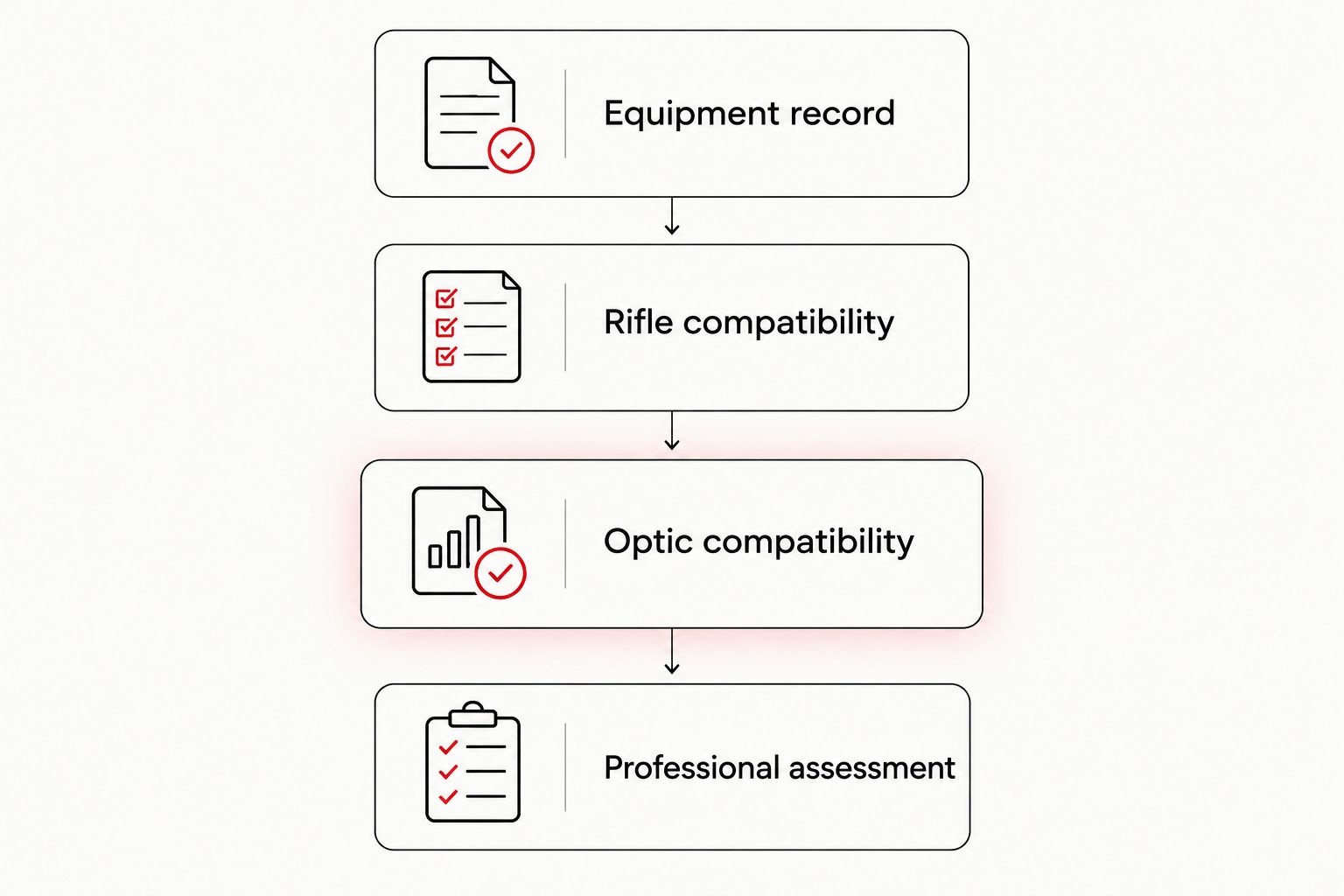
A footprint name is useful technical information, but it is not a universal compatibility certificate. Likewise, a statement that an accessory suits a broad firearm category is not the same as an assessment of your rifle and its existing equipment.
For Osight red dot sights, keep the exact model’s published requirements separate from general descriptions of the range. A feature attributed to one model must not become an assumption about another.
Evidence that answers the question
Useful evidence identifies the component, the intended application and the source of the compatibility statement. Manufacturer documentation and a gunsmith’s equipment-specific assessment answer different parts of the question; retain both.
An unexplained statement that something “should fit” leaves the central issue unresolved. Ask which documented combination the recommendation covers and whether the assessment depends on parts not yet identified.
Purchase and professional handover
Once the equipment is identified, turn the assessment into a purchase brief. This is an administrative workflow: the physical installation remains with the qualified professional.
- List the agreed components. Record the exact optic and the mounting arrangement accepted by the gunsmith. Keep descriptions consistent across the supplier correspondence and the work request.
- Define the work scope. Ask the gunsmith to state what the professional service includes and what documentation you will receive. Do not assume that purchasing components and commissioning installation are the same transaction.
- Request a functional suitability review. Have the professional assess whether the proposed arrangement interferes with the firearm’s normal functions, maintenance requirements or manufacturer instructions. Leave the physical checks to that professional.
- Keep 1 handover record. Store the final component identification, relevant manuals and the gunsmith’s report together. Include any maintenance instructions and restrictions supplied for that specific arrangement.
Expected result: the order matches the assessed equipment, and responsibility for the installation and handover is clear.
Do not order a substitute component without having the revised combination assessed. A similar description, shared brand or familiar appearance does not establish equivalence.
Separate fit from buying preferences
After compatibility is established, compare the exact sight’s documented features with your requirements. Reticle format, controls, battery access and maintenance instructions belong in that discussion, but none establishes rifle compatibility by itself.
Ask Osight for the relevant published specifications rather than filling gaps from another model’s listing. If an answer depends on the complete mounting arrangement, take that question back to the gunsmith.
A technical shorthand is useful only when you know what decision it changes. A specification that does not resolve a requirement should not outweigh a documented compatibility limitation.
When replacing an existing optic
Replacing a sight is a related workflow, but an existing installation is not proof that a replacement will be suitable. Keep the same evidence requirements and update the equipment record.
Start by giving the gunsmith the existing installation’s documentation, if you have it. Ask whether the component identification is sufficient to assess reuse; do not infer suitability from the fact that the current sight has been attached before.
Then request a revised assessment for the exact replacement model. A change of optic can change the relevant interface requirements, and a previous report applies only to the combination it actually describes.
The advantage of an existing documented installation is a clearer equipment history. The limitation is that old paperwork can become misleading when components have changed without an updated record.
Best for replacement buyers: preserve the original records, but commission a fresh assessment of the proposed combination. Do not present an earlier approval as approval of a different sight.
For a replacement Osight optic, use the new model’s own documentation. Keep any decision about reusing existing hardware within the gunsmith’s assessment rather than making it a shopping assumption.
Troubleshooting the buying and assessment process
The supplier confirms a footprint but not rifle compatibility
Ask the supplier to distinguish the optic’s documented interface from the proposed mount’s intended application. Refer the complete combination to the gunsmith; a footprint answer alone does not close the rifle-fit question.
The existing mount cannot be identified
Stop treating that component as a confirmed part of the proposal. Ask the gunsmith whether it can be identified and assessed, and obtain a revised recommendation if it cannot.
Avoid buying an optic on the expectation that an unidentified part will turn out to be suitable. That expectation is not evidence.
Product descriptions appear to conflict
Compare the exact model designations and document revisions before drawing a conclusion. Send the conflicting statements to the supplier and request written clarification for the specific model under consideration.
Do not combine favourable specifications from separate listings into a single imagined product specification.
A substitute is proposed after the assessment
Return the revised component list to the gunsmith before accepting the substitution. The previous assessment describes the previous combination, not every component with a similar description.
Keep the change and its approval in the same handover record so the paperwork describes what was actually supplied.
Customize your workflow
Build the equipment record around how you will manage the firearm and optic over time. Keep manufacturer instructions accessible, retain professional service records and update the component list whenever the arrangement changes.
For a shared or professionally managed firearm, make the responsible person and document location clear. A maintenance instruction is less useful when the next authorised user cannot find it.
The red dot sights guide for firearm dealers and gunsmiths is a relevant next read for the professional purchasing discussion. Keep that broader reading separate from the equipment-specific assessment: an article does not certify your installation.
FAQ
Can I mount an Osight red dot sight on a Vektor R1 rifle?
Compatibility must be established for the exact rifle, optic and mounting arrangement. Ask a qualified gunsmith to assess the complete combination against the relevant manufacturer documentation before purchasing.
Does a matching footprint mean a red dot sight will fit my rifle?
No. A footprint addresses the optic’s mounting interface, not the suitability of the complete rifle-to-mount-to-optic arrangement.
What should I send a gunsmith before buying a red dot sight?
Send the firearm’s documented identification, details of existing equipment and the exact proposed optic model. Include available manuals and previous professional reports, and ask what further identification is required.
Can I reuse the mount already on my rifle?
Reuse requires an assessment of the identified mount and the proposed replacement optic. An existing installation does not establish compatibility with a different sight.
Which Osight model is best for a Vektor R1?
A model recommendation requires verified compatibility with the particular rifle and proposed mount. Choose features only after a qualified gunsmith has assessed the arrangement; no specific model is established as compatible here.
Should I buy the optic before asking about the mount?
Resolve the complete mounting arrangement before buying. This keeps the purchase tied to a documented recommendation rather than an assumption about parts that have not been assessed.
Does this guide include mounting or zeroing instructions?
No. This guide covers equipment identification, compatibility evidence and professional handover; installation and operational assessment belong with a qualified gunsmith.
One last thing
Make sure the final paperwork describes the equipment actually supplied—not merely the equipment originally quoted. A substitution can leave an otherwise careful purchasing record attached to the wrong combination.
Keep the final model identifications beside the professional assessment. That simple document check makes future maintenance enquiries and replacement decisions clearer without relying on memory.